Wartime childcare
During the Second World War, as more men were drafted to serve and more women took over important roles such as manufacturing and civil defence, the pressing question of childcare arose. The government responded by setting up a series of day nurseries within London and across the country to provide care for under fives.
However, the nurseries were only fitted out with basic furniture, they were bare and lacking in toys and equipment to engage their young guests. One firefighter described them as "little more than bare floors and four walls to look at, nurses and helpers overwhelmed with the gigantic problem of amusing and keeping these youngsters happy, day after day".
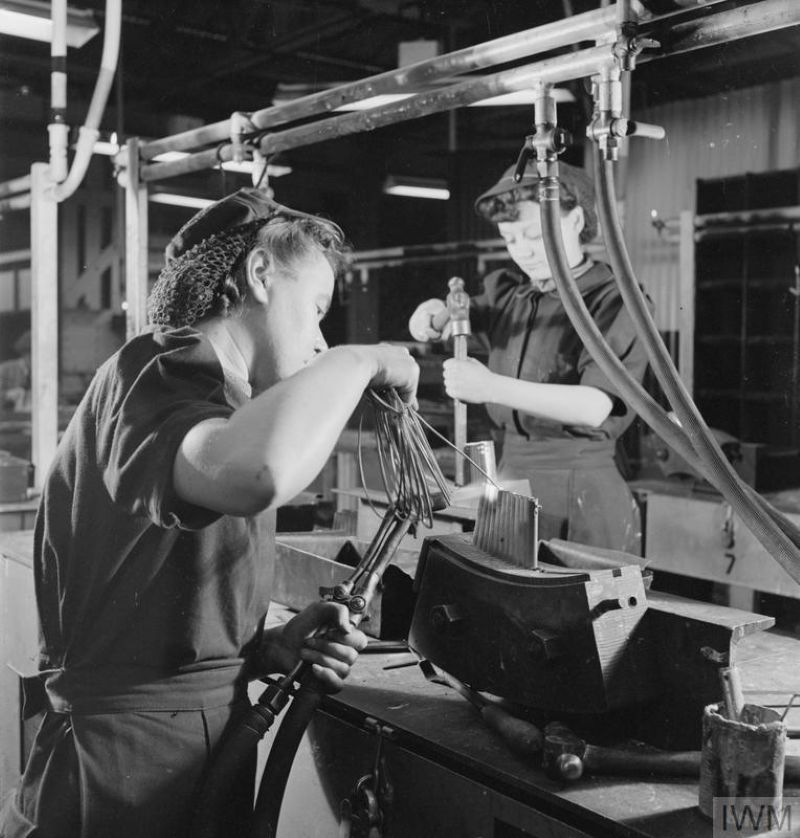
Women metal workers © IWM (L457)
An issue of morale
Following the end of the Blitz in May 1941, fire service personnel, the ‘heroes with grimy faces’ returned to their long duty periods – 48 hours at a stretch – in often cramped conditions at their fire stations and substations. Following the incessant excitement and terror of the Blitz it must have been difficult to transition to relative periods of quiet and hard to pass the time.
The Auxiliary Fire Service (AFS) had, by August 1941 transitioned into the National Fire Service (NFS) to provide a UK wide Civil Defence structure. The men and women of the NFS in London undertook a variety of activities to pass time and increase morale including sports, gardening and crafts. However, perhaps the most successful 'spare time' scheme for the NFS during the war involved toymaking.
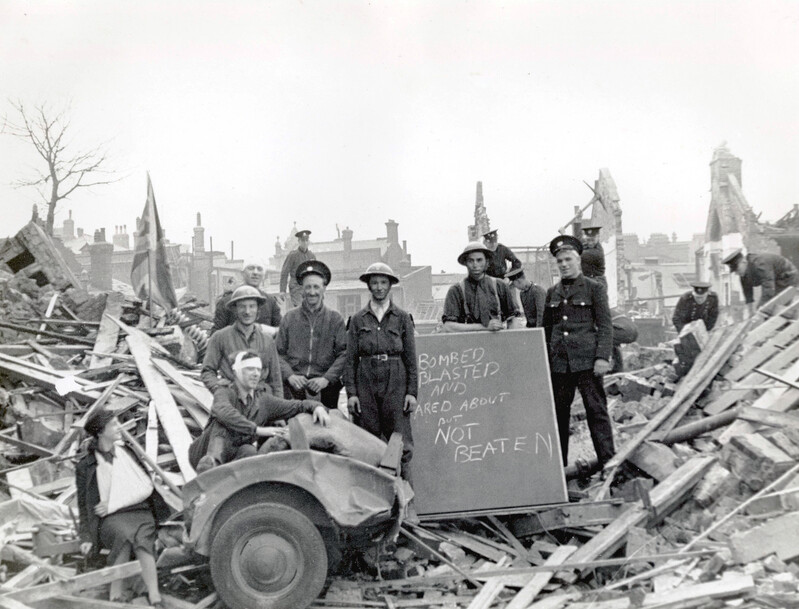
Members of the AFS show stoicism during the height of the Blitz
Memorandum from Commanding Officer 25 June 1941
Members of the London Fire Service, may, if they so desire, undertake voluntary work in connection with the scheme approved by the Home Secretary for the production, from wood collected from bombed buildings, of toys and furniture for nursery centres.
How did it work?
How the scheme took shape
Getting organised
The Nursery School Association set up a committee led by Lady Allan to source toys for nursery children. Inspired by seeing piles of Blitz damaged timber around London she got permission to use the wood and then approached Chief Commander Major Jackson to see if the Fire Service could help make toys during their stand down time. He approved the idea and the men and women of the NFS responded enthusiastically. The committee met regularly at Dr Johnson's House, a historic house in the City of London that offered use of the building as a club for off duty firefighters. They even produced 'The Nursery Equipment News' to encourage sharing ideas and creativity in toymaking.
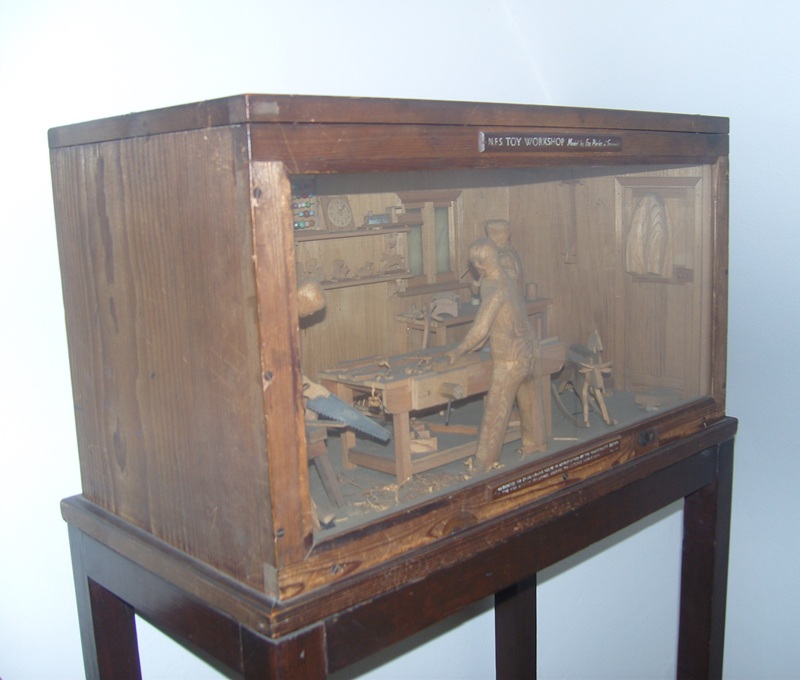
Today Dr Johnson's House has a model of a firefighters toy workshop as part of its collection given in thanks for their hospitality.
Model of a toy workshop (detail), Dr Johnson' House Trust
Waste not want not
There was little resource available in cash-strapped wartime Britain for toy making so a lot of resourcefulness was required. The huge amounts of Blitz wood was an initial source of material for the Fire Service toymakers, although there were later restrictions on its use. Bannister rails made excellent boiler components for railway engines. Cotton reels could be used for many different elements. Ammunition boxes made in factories every day had holes cut out of them and these made fantastic wheels as did a sliced up curtain rail. In addition, scrap materials from manufacturing - in particular hardwood - was a strong material useful for hardwearing parts such as axels and handles. The toy makers used their creativity to the maximum to make good use of odd offcuts in unusual shapes.
Later, London County Council provided loans of basic tools, sometimes taken from evacuated schools, and support for materials such as paint, nails and screws was provided by organisations such as the American Red Cross.
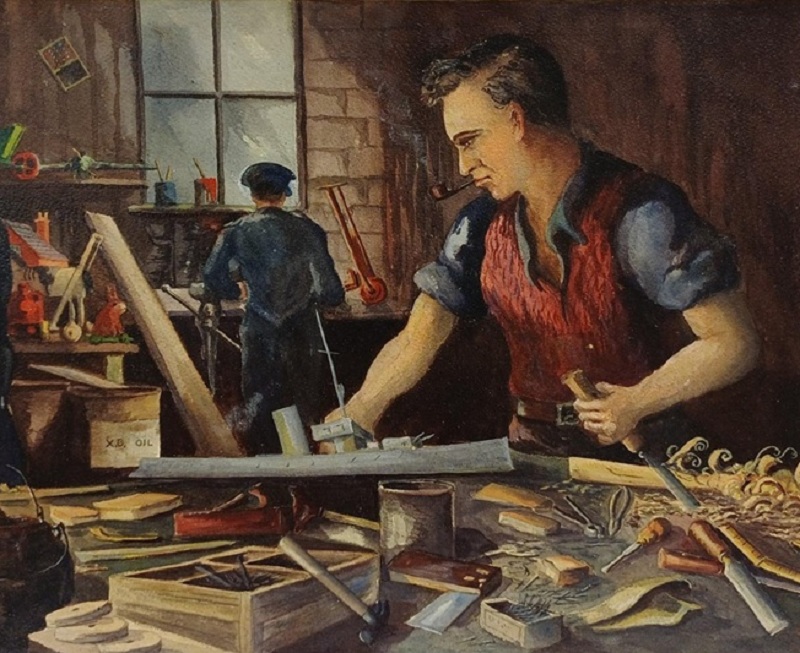
Fireman Santa, a 1941 oil on board painting by Sidney Gallard, shows off duty firefighters creating toys.
Going soft
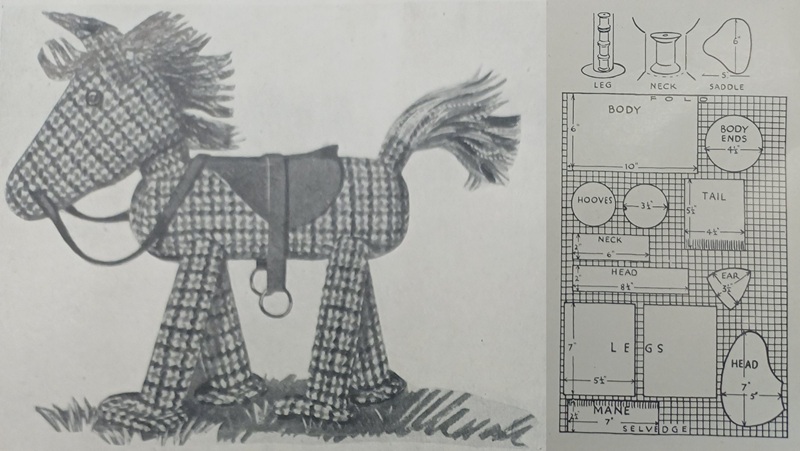
Soft toys were also made and appeals for donations were answered by clothing manufacturers as well as members of the public who packaged up parcels of spare materials for reuse. Although patterns were available, sometimes the women who created the soft toys used the size and texture of the material as inspiration. However, this free flow design process didn't always go to plan.
Full time AFS firewoman Florence Tregoning Thomas, who had previously worked as a dressmaker, explained how she once tried to make a honey bear but it turned into more like a poodle so was nicknamed ‘honey-cum-poodle' and apparently became a great favourite.
An illustration and pattern for soft toy 'Sammy the horse' from the wartime publication 'From Debris to Nursery', 1944
Facts and figures
The Fire Forces’ scheme for Wartime nurseries was hugely successful in both providing quality toys and furniture for the under fives and also improving morale in stations and substations.
By mid 1944:
- There were over 1500 wartime nurseries in Great Britain
- 392 of these were in London, serving 71,888 children
- Auxiliary Fire Service (and later National Fire Service) produced over 20,264 toys for nurseries in this scheme
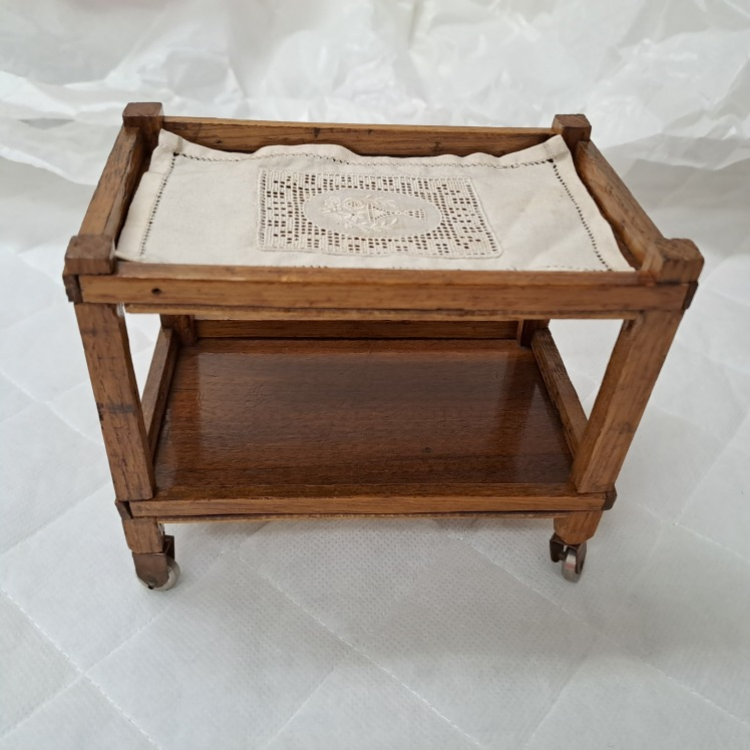
This beautifully crafted dolls house trolley was created from Blitz wood by Samuel Pye, a voluntary firewatcher at Moorgate during WWII.
Delivering the toys
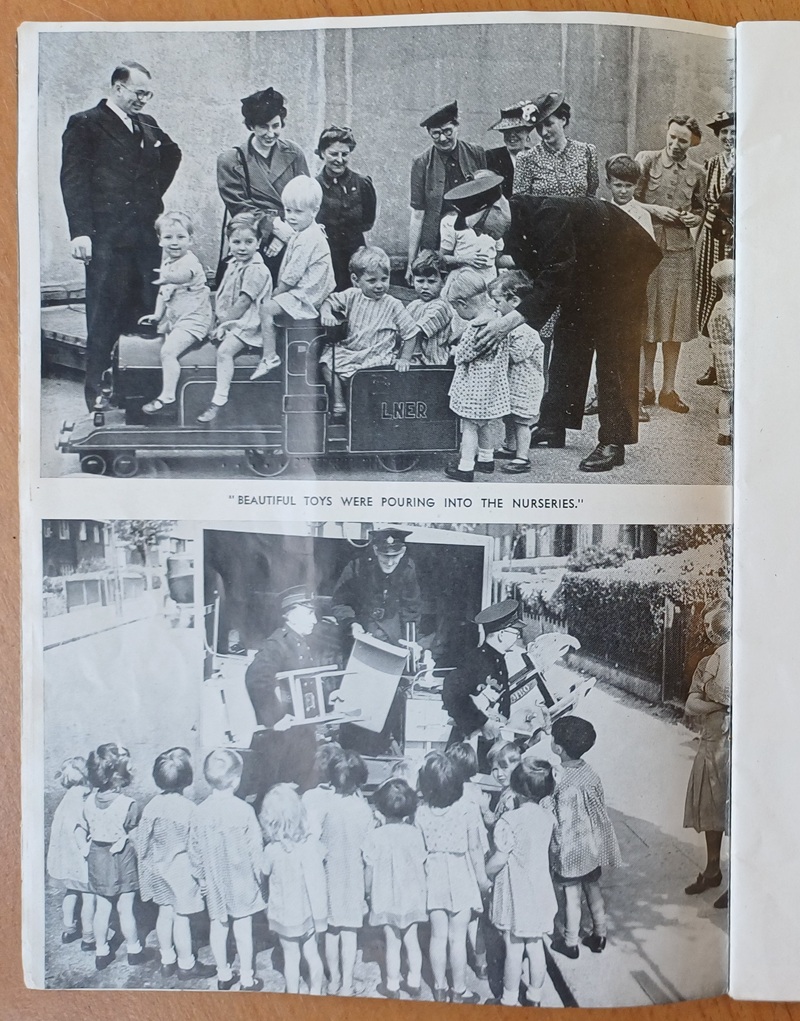
the looks of amazement and delight on the kiddies’ faces, such that even the hardest of us feels choked and on the verge of tears, especially when it is known that many of them [the children] never had toys such as these ...Others had lost theirs in blitzed home ... we leave these happy kiddies with strong resolutions to work harder"
Fireman Sidney Boulter
Exhibitions and displays
Display of toys at Clapham Fire Station
The movement spreads
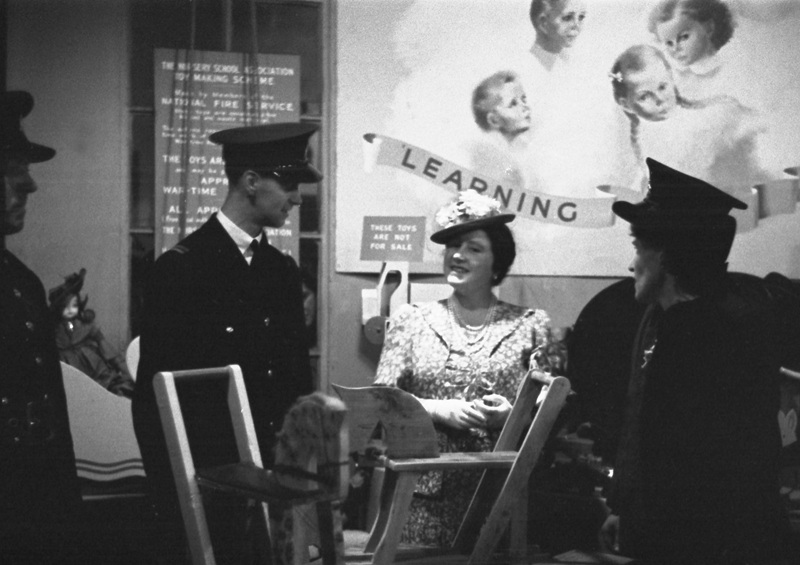
Soon men and women of the NFS across the country were helping in the effort to provide joy and comfort to young children in the toymaking scheme. There would be regular exhibitions of the toys created at local shopping centres, community centres and even at Harrods. This photograph shows Queen Elizabeth meeting firefighters at a Nursery Schools Association exhibition there.
It wasn't just firefighters who created toys, many at home used their creative skills to provide toys for children affected by the war and other services including the Wrens and Royal Navy also created toys in their spare time.
Thanks & Acknowledgements
Our thanks to Dr Johnson's House and the Imperial War Museum for the use of images. You can find out more about the role of Dr Johnson's House played in supporting the fire service during the Second World War in Dr Johnson's House and the Fireman's Club.
A lot of information for this exhibition was found in the publication 'From Debris to Nursery: The Story of the Work of the London Fire Forces' Scheme for war-time nurseries' published in celebration of the success of the scheme in November 1944.
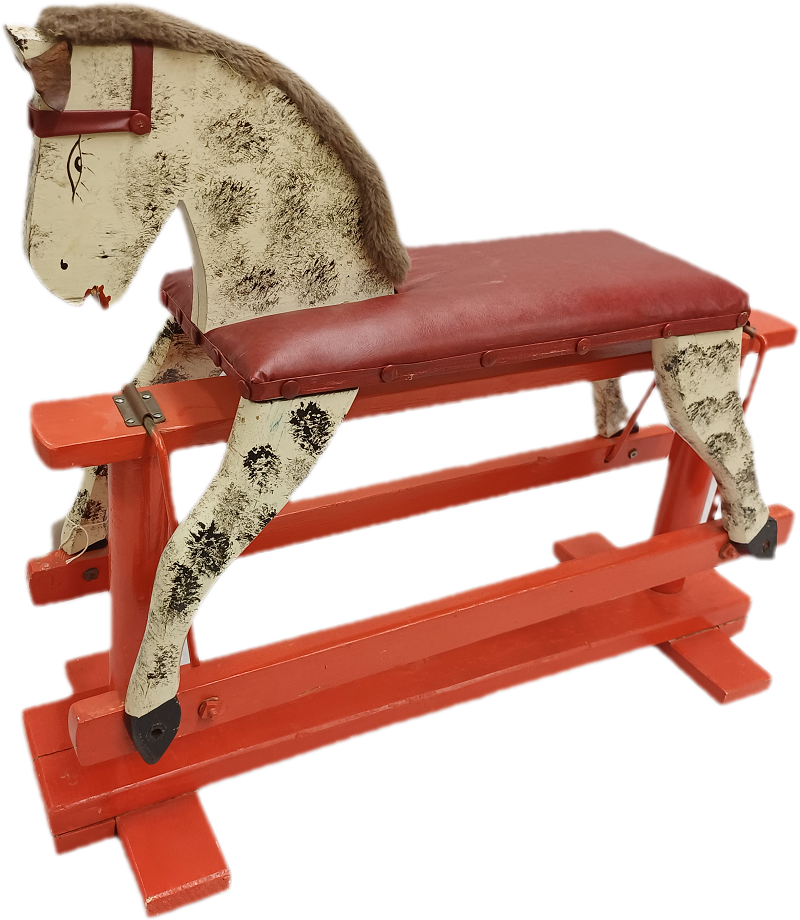
Rocking horse, made from Blitz wood, 1940s