· New fire safety regulations[1] come into force on 6 April 2026, introducing Residential Personal Emergency Evacuation Plans (RPEEPs) for multi-occupied residential buildings
· Building owners, landlords, and Responsible Persons[2] must identify residents who need help evacuating, offer personalised fire risk assessments, and create individual evacuation statements alongside a building-wide plan
· London Fire Brigade has prepared for implementation by working with partners and setting up secure systems to receive specific resident information to support emergency response[3]
· The changes aim to improve fire safety for vulnerable residents and encourage ongoing collaboration between Responsible Persons, residents, and fire services.
London Fire Brigade is preparing for new national fire safety regulations[1] that come into force on 6 April 2026 in England, aimed at strengthening evacuation arrangements for residents who may need support to leave their building in the event of a fire.
The Fire Safety (Residential Evacuation Plans) (England) Regulations 2025 introduce a new process called Residential Personal Emergency Evacuation Plans (RPEEPs). These will apply to multi-occupied residential buildings in England that contain two or more domestic premises and are either 18 metres (or seven storeys) or higher, or over 11 metres in height where a simultaneous evacuation strategy is in place[4]. They also place new legal duties on Responsible Persons[2], usually building owners, landlords or managers.
In preparation for the introduction of the new regulations, London Fire Brigade has been working closely with a range of internal teams and external stakeholders, including partners across housing, fire safety, and disability advocacy, to ensure systems, guidance, and operational processes are in place ahead of the go-live date.
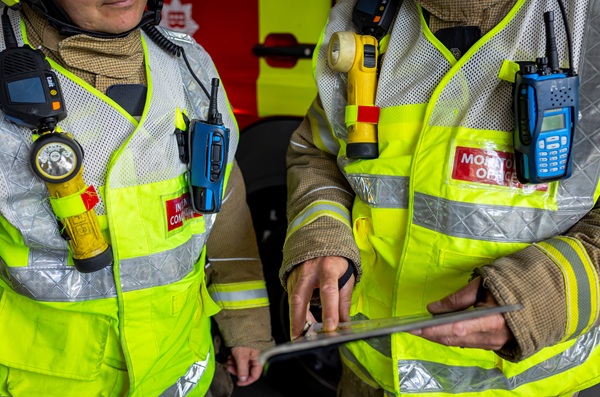
A guide for Responsible Persons: Residential Personal Emergency Evacuation Plans
Find out more information on new legal duties under fire safety legislation
Under the regulations, Responsible Persons will be required to take reasonable steps[5] to identify residents who may have difficulty evacuating without assistance because of a physical or cognitive impairment. They must offer those residents a personalised fire risk assessment and, where the resident wishes, agree an emergency evacuation statement. In addition, a building-wide emergency evacuation plan must be developed and maintained.
The introduction of RPEEPs is also expected to increase the number of personalised fire risk assessments carried out, alongside the Brigade’s existing Home Fire Safety Visits, helping to further support residents who may be at greater risk.
With a resident’s explicit consent, essential information, such as flat number, floor level, and a basic indication of the assistance required, will be shared with the Brigade. No detailed personal or medical information will be disclosed. The Brigade has now put in place the systems and processes needed to receive this information securely and use it to support operational response in the event of a fire.
London Fire Brigade Deputy Commissioner, Spencer Sutcliff, said: “These changes are an important first step towards making sure everyone feels safe in their own home, especially those who might need extra support in an emergency.
“We have been working closely with partners to prepare for the introduction of these regulations and are continuing to work with government on implementation. We are highlighting areas we are keen to explore further, including broadening the scope to higher-risk properties, such as sheltered housing, and clarifying the role of Responsible Persons in determining whether mitigation measures are proportionate.
“It is also important we continue to develop our understanding of how RPEEPs are being implemented in practice, working with communities.
“The responsibility for putting these arrangements in place sits with the Responsible Persons, and we’re ready to receive the information they share so we can use it to help us respond as effectively as possible in the event of an emergency.
“If any resident thinks they may benefit from these new arrangements, we’d encourage them to speak to their building owner or managing agent.”
Participation by residents in the RPEEP process is voluntary, and they can withdraw consent at any time.
The Brigade encourages Responsible Persons to take a personalised approach, engage with residents, and keep evacuation arrangements under regular review to ensure they remain effective over time. More information for Responsible Persons can be found on London Fire Brigade’s website.
ENDS
Notes to editors
1. The Fire Safety (Residential Evacuation Plans) (England) Regulations 2025 come into force on 6 April 2026 and apply in England only.
2. They require Responsible Persons (usually building owners, landlords or managing agents) to identify residents who may have difficulty evacuating without assistance due to a physical or cognitive impairment. These residents are known as “relevant residents”.
3. London Fire Brigade will digitally store Building Emergency Evacuation Plans (BEEPs) within their systems. The Responsible Person (RP) will retain accountability for maintaining accurate and up-to-date BEEP information. The BEEP will include:
a. The building’s evacuation strategy (e.g., Stay Put or Simultaneous Evacuation).
b. Confirmation of whether any RPEEPs exist within the premises (these will be securely stored in the Secure Information Box).
c. This functionality will enable operational crews to quickly access critical evacuation strategy information during incidents.
4. A simultaneous evacuation strategy is a procedure in which all parts of a building are evacuated in the event of fire at one time.
5. The Responsible Person must:
a. offer a personalised fire risk assessment (PCFRA) to any relevant resident.
b. Where the resident wishes, use reasonable endeavours to agree an emergency evacuation statement, setting out what the resident should do if a fire occurs.
c. consider reasonable and proportionate measures to support the resident’s safety, depending on the assessment.
d. review the RPEEP at least every 12 months, or sooner if circumstances change.
6. With the resident’s consent, Responsible Persons must share a small amount of essential information with fire and rescue services:
a. Flat number
b. Floor number
c. A basic indication of assistance that may be required
d. Whether an emergency evacuation statement exists
e. No medical or personal information is shared under the Regulations.
7. Building emergency evacuation plans
a. All buildings in scope must also have a building wide emergency evacuation plan, prepared and maintained by the Responsible Person.
b. This must be reviewed every 12 months or sooner if needed and shared with the local fire and rescue service.
8. The Regulations apply to residential buildings that:
a. Contain two or more domestic premises, and
b. Are 18 metres or 7 storeys above ground level or higher, or
c. Are over 11 metres above ground level in height and have a simultaneous evacuation strategy in place (a simultaneous evacuation strategy means everyone should leave the building if there is a fire, even if you are not directly affected by the smoke from the fire)
9. Fire and rescue services do not carry out assessments or produce personal emergency evacuation plans or building emergency evacuation plans. Their role is to receive the specific information shared (with consent) and use it to support operational response during an incident. Fire and rescue services remain enforcing authorities under the Regulatory Reform (Fire Safety) Order 2005 and can enforce RP compliance with the new Regulations where appropriate. They are not expected to resolve disputes between residents and building owners.
10. Fire and rescue services are not responsible for conducting assessments, creating evacuation statements, or deciding on mitigation measures - these remain the responsibility of building owners and managers.
11. For further information please visit the Government website.